What is Walpurgisnacht? Uncovering the German Night of Witches
So what is Walpurgisnacht, exactly? Short answer: it's the night before May 1st... and it's a little unhinged in the best way.
April 30th. Bonfires. Witches. Ancient folklore colliding under a spring sky. It's basically Halloween's cooler, older German cousin, and honestly it deserves way more attention than it gets.
Walpurgisnacht (also called Hexennacht, or Night of Witches) is one of those holidays that has survived thousands of years of cultural mashups and still managed to stay weird and wonderful. Pagan spring rituals, a canonized saint, tales of witches riding broomsticks to mountain peaks... it's a lot. In the best way.
Here's everything you need to know.
Key Takeaways
- Walpurgisnacht falls on April 30th, the eve of May Day, and marks the transition from winter to spring
- It blends ancient pagan spring rites with the Christian legend of Saint Walpurga, who was canonized on May 1st
- German folklore holds that witches gather on the Brocken, the highest peak in the Harz Mountains, on this night
- Modern celebrations look a lot like a spring Halloween... bonfires, costumes, dancing, fireworks
- The holiday shows up in major works of literature, including Goethe's Faust and Bram Stoker's Dracula's Guest
Unraveling the Walpurgisnacht Mystery
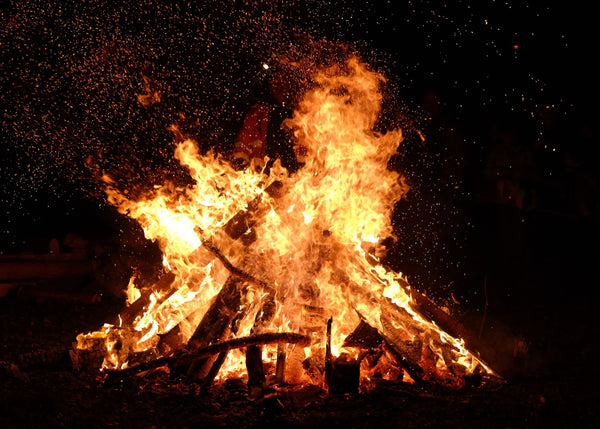
At its core, Walpurgisnacht is a spring festival. But it's not your average "flowers and pastels" kind of spring celebration.
The roots are pagan, tied to ancient fertility rituals and the relief of surviving another brutal winter. Over time, Christian tradition layered on top of those older customs, and somewhere in that mix, witches entered the picture. Now you've got bonfires, broomsticks, and a surprisingly good time.
Originally connected to Norse celebrations, the holiday landed firmly in Germanic culture and never left. It's still celebrated today, particularly in the Harz Mountain region of northern Germany, where the old customs feel less like history and more like a living tradition.

The Harz Mountains Connection
If Walpurgisnacht has a spiritual home, it's the Harz Mountains in northern Germany. Dense forests, ancient folklore, and a landscape that genuinely looks like something out of a fairy tale.
The crown jewel is the Brocken, the highest peak in the range at 3,747 feet. According to German folklore, this is where witches gather every April 30th for their annual meeting... riding broomsticks, dancing around fires, generally causing chaos before spring officially arrives.
People have been telling this story for over a thousand years. And today, tourists still make the trip to the Brocken every year to mark the occasion. They call it "the witches' dance floor." Which... is an incredible nickname for a mountain!
Saint Walpurga: The Woman Behind the Name
Here's where it gets interesting. Walpurgisnacht is named after a real person.
Saint Walpurga was an English missionary who played a major role in converting the Frankish Empire to Christianity. She was canonized on May 1st, which put her feast day right on top of existing pagan spring celebrations. The two traditions collided, blended, and eventually gave us the holiday we know today.
She was also believed to have the power to protect against witchcraft and evil spirits, which is a fun detail given that her namesake holiday is basically a witch festival.
She's typically depicted with an oil flask, three grain spikes, a dog, and a book. Her imagery shows up at her tomb and in religious iconography throughout Germany. The blend of her Christian legacy with older pagan Beltane traditions is a big part of what makes Walpurgisnacht such a layered, fascinating holiday.
The Witches' Gathering: Myth or Reality?
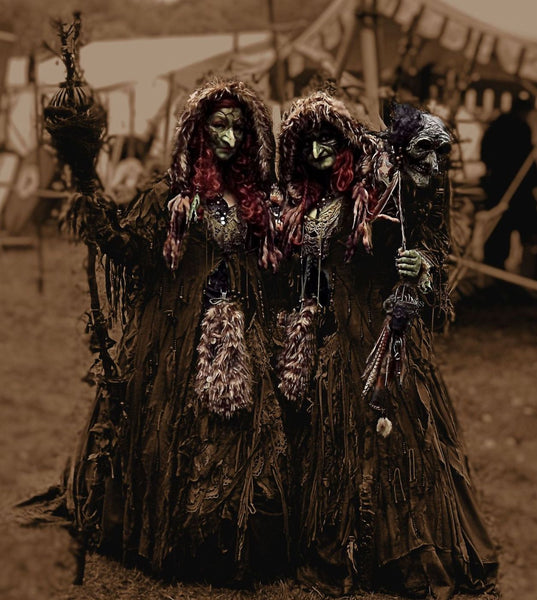
Folklore says that on Walpurgisnacht, witches fly to the Brocken for a massive gathering before spring begins. It's a vivid, enduring image... and it has real historical weight behind it.
During the 16th century witch trials, this belief was taken seriously enough to show up in legal codes. The Danish Law Code of 1521 specifically noted that holy periods like this one were considered especially active for witches.
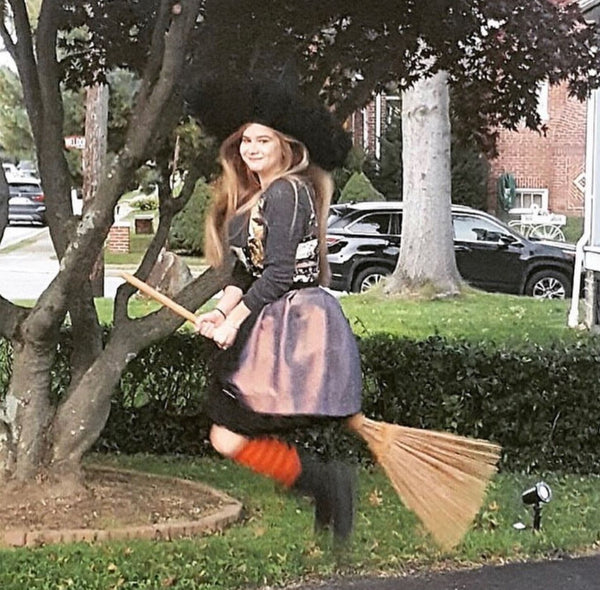
The association between the Brocken and witchcraft spread across Europe, and those fears shaped how communities celebrated (and feared) the night. Today the witches are mostly costume-clad festival-goers, but the mythology still carries.
Witch Trials and Hysteria
The 16th century wasn't a great time if you were accused of being a witch.
Widespread belief in witches and their supposed gatherings made nights like Walpurgisnacht genuinely frightening for many people. The Brocken became the unofficial headquarters of witchcraft in the popular imagination, and the fear was real enough to influence law and religion across the region.
That historical weight is part of what makes Walpurgisnacht so interesting. It's not just a quirky folk holiday... it carries the memory of real persecution alongside the celebration.
Celebrating Walpurgisnacht: Traditions and Customs
The core of Walpurgisnacht has always been the same: welcome spring, scare off whatever darkness is still lingering, and have a good time doing it.
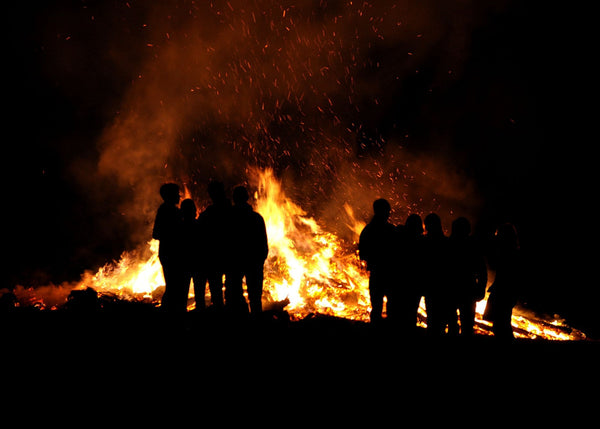
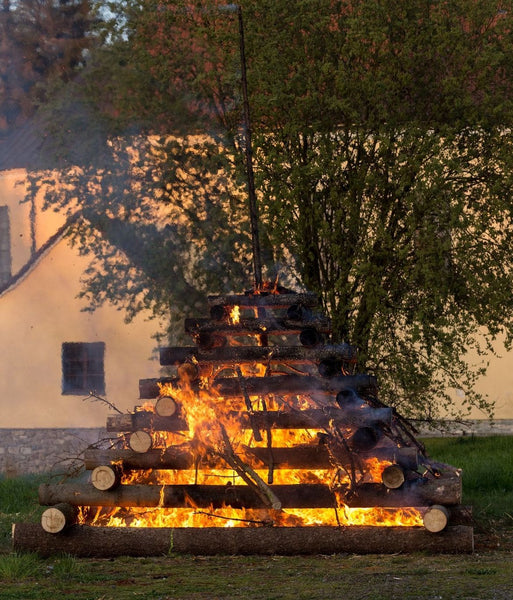
Bonfires are central. They symbolize spring's arrival and are traditionally believed to keep evil spirits away. Folk songs, dancing, and gathering with community are all part of it too.

Over the centuries, modern elements have mixed in: themed parties, costumes, fireworks. The spirit of the holiday stayed intact even as the trappings updated. That's actually kind of remarkable for a tradition this old.
Modern Day Celebrations and Adaptations
Walpurgisnacht today looks a lot like Halloween... but make it spring.
In Germany, people dress up (witch costumes are extremely on theme), gather around bonfires, and celebrate with music and dancing. In the Czech Republic, the holiday is called Čarodějnice, and they burn effigies of witches. Finland and Sweden have their own versions with big bonfires and community gatherings.
Each country puts its own spin on it, but the basics are the same: fire, costumes, the end of winter, and a collective exhale that spring is finally here.
Literary References to Walpurgisnacht

Walpurgisnacht has shown up in some heavy hitters.
Goethe used it in Faust as the backdrop for one of the darkest, wildest scenes in the play. Thomas Mann referenced it in The Magic Mountain. And Bram Stoker made it the setting for a night of supernatural terror in Dracula's Guest, where the line between the living and the dead essentially disappears.
Writers keep coming back to it because it does something specific: it creates a permission structure for chaos. It's a night when the rules bend. That's good material.
How to Celebrate Walpurgisnacht Today
You don't have to be in the Harz Mountains to mark the occasion.
Themed gatherings with costumes, music, and dancing are the modern go-to. Bonfires if you have the space (and the permits). Some people lean into the old pagan traditions, honoring the season change with more intentional rituals. Others just want an excuse to dress like a witch in April, which is completely valid.
The point is the same one it's always been: winter is over. Spring is here. Light something on fire and celebrate.
Summary
Walpurgisnacht is one of those holidays that has no business being this interesting... and yet here we are. It's ancient and modern, pagan and Christian, spooky and celebratory all at once. Whether you're drawn to the folklore, the history, the bonfire vibes, or just the excuse to wear a costume in spring, there's something genuinely compelling about a tradition that has survived this long without losing its edge.
April 30th. Mark your calendar.
Frequently Asked Questions
When is Walpurgis night?
The night from 30 April to 1 May
Do other countries celebrate Walpurgisnacht?
Yes, Walpurgisnacht is celebrated in various countries across Europe, particularly in Northern and Central Europe. The origins of this festival date back to ancient pagan celebrations and traditions and were later assimilated into Christian celebrations. Here are some countries where Walpurgis Night is observed:
-
Sweden: In Sweden, Walpurgis Night is known as Valborgsmässoafton and is celebrated on April 30th. It is a significant event marked by bonfires, singing traditional songs, and gatherings in public spaces.
-
Finland: Walpurgis Night, or Vappu in Finnish, is a major holiday celebrated on April 30th and May 1st. It is characterized by outdoor festivities, picnics, parades, and the wearing of white caps by university students.
-
Estonia: Known as Volbriöö, Walpurgis Night is celebrated on April 30th with lighting fires, dancing, and the crowning of a "Spring Queen" in some regions.
-
Czech Republic: In the Czech Republic, the festival is called Čarodějnice, meaning "witches' night." It is observed on April 30th with bonfires, music, and dancing, symbolizing the arrival of spring.
-
Latvia and Lithuania: Both countries celebrate Walpurgis Night, known as Valpurgijos naktis in Lithuanian and Valpurgijas nakts in Latvian, with bonfires, singing, and dancing on April 30th.
These celebrations often include customs such as burning effigies of witches or lighting bonfires to ward off evil spirits and welcome the arrival of spring. Each country puts its own unique cultural spin on the festivities, but the underlying theme of rebirth, renewal, and the triumph of light over darkness remains central to the spirit of Walpurgis Night across Europe.
What is Walpurgisnacht and its connection to Halloween?
Both holidays share roots in the idea that the boundary between worlds gets thin on certain nights. Halloween traces back to the Celtic Samhain, when spirits could cross over. Walpurgisnacht has a similar energy... witches gathering, evil spirits roaming, communities lighting fires to protect themselves. Different origins, very similar vibes.
What is the significance of bonfires in Walpurgisnacht celebrations?
They represent the arrival of spring and are traditionally believed to ward off evil spirits. The custom goes back to May Day celebrations across northern Europe, long before Walpurgisnacht had a name.
How did the Christianization of the Norse influence Walpurgisnacht?
When the Norse converted to Christianity, their existing spring pagan celebrations blended with the legend of Saint Walpurga. Her May 1st feast day landed right on top of older pagan traditions, and the two fused into what we now celebrate as Walpurgisnacht.
So... are you celebrating this year? Bonfire? Witch costume? Strongly worded toast to the end of winter? Tell me your plans in the comments!
Comments
Stacy Bass said:
More a question then comment ,I am researching my family and so I am wondering if you know history about the the witches whom belonged to covens, my family name is Sadov