The Ultimate Oktoberfest Dirndl Style Guide
You asked, and we delivered.
This is the ultimate dirndl style guide. Whether you're buying your first dirndl or your tenth, this guide will walk you through everything you need to know.
We'll cover how a dirndl should fit, how to wear each piece, the best accessories, undergarments, shoes, and styling tips to help you build the perfect Oktoberfest outfit.
Bookmark this page. It answers almost every dirndl question we get.

In this article, you'll learn:
- Dirndl History 101
- Pieces of a Dirndl Outfit and How to Wear It
- How Should a Dirndl Fit
- Plus Size Dirndls
- Best Undergarments
- Dirndl Shoes: Recommendations & Trends
- Jewelry for a Dirndl
- Bags and Purses for your Dirndl
- Hats, Crowns, Hair and More!
- Outerwear for Your Dirndl
- Rare Dirndl FAQs
With this guide by your side, you'll be ready to rock Oktoberfest in style! Before we get into the details, I want to address one common question: "is it worth buying a dirndl that I'm only going to wear once?" The answer is, without a doubt, yes! There are so many opportunities and places to wear a dirndl, and you just need to find them — or create them! As long as you buy a dirndl that fits your personality and makes you feel beautiful, you'll enjoy wearing it all the time. Now, let's get started.

Short Dirndl History 101
The dirndl has a long and interesting history. It originated in the Alpine regions of Austria, Germany, and Switzerland as a traditional dress for women. The style is believed to have been around since the 19th century, but it gained more widespread popularity during the 1960s. Since then, it has become a popular fashion trend all over the world.
The dirndl is a knee-length dress with a natural waistline and full skirt. It usually features buttons, bows, ribbons, and other decorative elements. The traditional Oktoberfest outfit also includes an apron that is often ornately decorated. Today, you can find contemporary variations of the dirndl in many styles and fabrics, making it a great choice for any occasion.
In addition to its history, dirndls have a really deep and personal meaning for those who wear them. By wearing a dirndl, you are representing and displaying your appreciation for history and local culture. The modern dirndl didn't just appear — its roots are in centuries of heritage and customs. And now we have a variety of special occasions to wear them to!
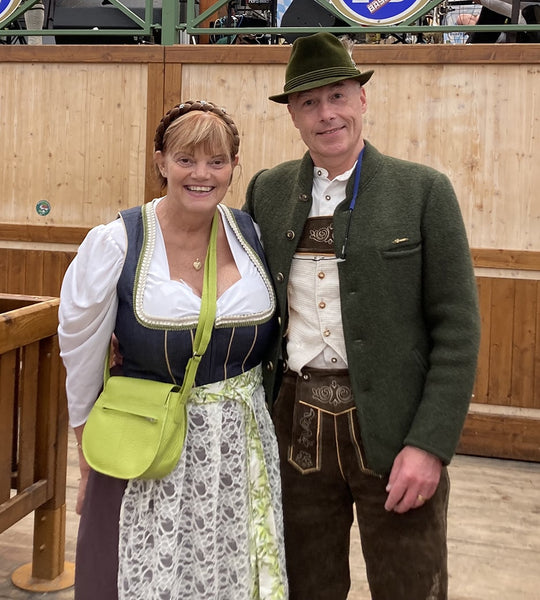
Pieces of a Perfect Oktoberfest Outfit and How to Wear It The Right Way
The dirndl is a timeless look made up of several pieces. The traditional German dirndl is typically made from woven fabric such as cotton, polyester, linen, or wool, and often includes decorative elements like ruffles, lace, and buttons. Here's a list of all the pieces that make up a classic dirndl:
Blouse
The blouse is worn beneath the dirndl and is typically available in white, ivory, or black. A fun off-the-shoulder blouse is great for warm days, but the sweetheart puff sleeve is the most popular style. Some dirndls are designed to be worn without a blouse or have sleeves already attached. Be sure to check out our Blouse Sizing Guide for helpful advice when selecting the perfect blouse.

Bodice
This is the top portion of the dirndl, extending from the waist up and connecting to the skirt. It often zips or buttons closed and has extra detailing like braids or ruffled trimming around the neckline, as well as ribbons, chains, embroidery, and other details. Most of our dirndls have a center zipper for easy wear. You'll want a snug fit, but not uncomfortable!
If your dirndl features a lace-up or corset-style front, thread the ribbon or chain through from the top hooks and crisscross it down to tie in a bow (or knot if it's chain) at the bottom. Check out this blog for tips on how to lace up your dirndl.

Skirt
The skirt is usually attached to the bodice at the waist and features a full, gathered, or pleated silhouette. A detail unique to Rare Dirndl: we include TWO pockets.
When it comes to dirndl skirts, there are a variety of lengths to choose from. As a general rule, your skirt should not be shorter than the tips of your fingers when your arms are at rest. Mid-calf is a very classic length and gives off an elegant look — and it'll be super comfortable when you're ready to dance the night away!

Dirndl Apron
The final touch to your outfit is the apron. Wrap it around your natural waist, covering the front seam. The apron should never be longer than your skirt and usually no shorter than 2-3 inches above the hemline. Where you tie the bow matters! Traditionally:
- Left side = single
- Right side = taken
- Center front = virgin
- Back = widowed or working as a waitress
But at the end of the day, tie your apron whichever way makes you feel best!
Check out my blog (with a handy instructional video) on how to tie the perfect bow for your dirndl apron. Also, here's a blog on how to store your apron after your event.

Bloomers or Pettipants (optional)
If you plan on getting your polka on, it's wise to wear bloomers. These go underneath the skirt, so even if you're doing a high-energy folk dance, no one will catch sight of your Unterhosen — they'll just see some cute bloomers peeking out from beneath your skirt.
You'll also find that in the heat of summer, bloomers keep your thighs from chafing. A pair of bloomers is our secret weapon against the dreaded thigh rub.

Petticoat (optional)
A petticoat can be added for a fun and flirty flair to your skirt. This extra poof is not required, but it does add some charm to the look. Make sure that the lace of your petticoat isn't completely visible below the hem — you only want a subtle hint of it!
Want to make your life easier when it comes to dirndl upkeep? I put together a curated list of my go-to tools for keeping dirndls clean, fresh, and wrinkle-free. 👉 Click here to shop the full Dirndl Care Kit on Amazon.
How will I remember all of this information?
Here is a link to download all this info, plus access to our Oktoberfest Munich travel packing list: https://bit.ly/dirndlstyle
How Should a Dirndl Fit?
Finding the perfect fit for your dirndl is key. The blouse should be snug and secure, but not too tight or too loose. Dirndls have firm bodices that should fit snugly around the bust and waist, skimming your body in a flattering way. The skirt should fall to your knees or mid-calf. The apron needs to be tight enough to stay in place but loose enough that you can move freely.

Finding the right blouse size can be tricky since every body is different! We recommend reading this blog about blouse sizing for helpful tips.
If you buy a dirndl and it doesn't fit quite right, don't worry — our dirndls are easy to alter! Our blog on DIY alterations can help get you started. If sewing isn't your thing, check out our Alterations Reimbursement Program.

Plus Size Dirndls
Shopping for dirndls at any size starts the same way: finding the right size. Start with body measurements and review the sizing chart. Measure yourself wearing the undergarments you intend to wear with your dirndl: bra, shapewear, etc.
If you prefer clothes that really hold their shape, look for dirndls with bodices made of suede, brocade, or cotton.
At Rare Dirndl, we add a layer of interfacing to the bodice pieces for sizes 18 and up, creating a stronger foundation so curvy women feel comfortable and confident on the dance floor.
We've also worked closely with customers to tweak our 18+ patterns to ensure you have coverage where you want it without losing the flattering curves that dirndls are known for. We carry plus size dirndls up to size 26 and offer a made-to-measurements option for anyone who needs a custom size.

Best Undergarments for Your Dirndl
Underneath every fabulous dirndl is a great set of underwear, so let's start at the top and work our way down!
Bra
When it comes to wearing a dirndl, having the right bra is essential. My number one tip: opt for a nude bra! One of the most common mistakes is choosing bras with bright colors or prints. Go neutral and you'll be ready to rock your outfit in style. You also want to make sure it's giving you the lift and support you need. Click here for more bra recommendations.
Undies
My two main rules for choosing the right underwear: comfort and cotton! Cotton is breathable and comfortable, so your undergarments won't constrict or ride up when you're dancing, eating, drinking, or socializing.
You also want to consider bloomers, petticoats, slips, knee-high socks, and tights. For more help check out our Best Undergarments to Wear with a Dirndl blog.

Dirndl Shoes: Our Recommendations & Trends
What kind of shoes should I wear with my dirndl? My answer is simple: whatever shoes make you feel comfortable and confident!
When it comes to finding the perfect shoes, comfort and style should be your main priorities. Booties and flats are great options that provide both form and function. For a classic look, opt for loafers or Mary Janes. Or add a touch of fun with ankle boots featuring tassels or buckles.

You want shoes comfortable enough to wear all day long. But don't go too casual — old dirty flip-flops and dad sneakers aren't exactly chic. Find a balance between comfort and style. Here is our guide on what shoes to wear with a dirndl. And if you're looking for dirndl socks... we've got you covered too!

Best Jewelry to Wear With a Dirndl
When it comes to accessorizing a dirndl look, nothing completes it quite like the right pieces of jewelry. Going traditional? A dainty necklace or delicate earrings can do the trick. Feeling more daring? Statement pieces like chunky necklaces and big hoops are sure to make your outfit pop.
For a classic, timeless look, consider:
- Engraved clothes pins (Weisn Grupperl)
- Jewelry (check out our pretzel earrings!)
- Embellished zipper pulls
- Charivari

Bags and Purses to Complement Your Dirndl
For a more classic style, opt for small evening bags crafted from natural materials like velvet and leather. For something more modern and trendy, go for crossbody bags or structured totes in eye-catching colors.
I've finally settled on three all-time favorite bag styles that work well with any dirndl:
- Crossbody purse
- Apron purse
- Backpack purse (small only)
NOTE: There are NO large bags or backpacks allowed at Oktoberfest. Also, be mindful of pickpockets. Be smart about where you keep your cash and valuables.

Hats, Crowns, Hair and More!
A hat, floral crown, or headpiece is a fabulous accessory to top off your dirndl look. Traditional outfits often feature simple hats or headbands of natural materials. For a modern twist, opt for a Bavarian hat or floral crown. Or try out a new hairstyle — there are so many styles to choose from!
Hair adornments like ribbons, flowers, and feathers are great for adding a little something extra. Whichever you decide, make sure it complements the rest of your outfit.
Side note: If you opt for a Bavarian hat, it may not fit exactly how you want it. Check out this blog on how to make your Bavarian hat fit better.

Braided hairstyles are a great choice with a dirndl. Options include French braids, Dutch braids, fishtail braids, and more. A classic choice is two braids, one on each side, secured with a ribbon that matches your dirndl.
Another popular style is the chignon, which involves twisting the hair into a bun at the nape of the neck and securing it with hairpins.
A third common option is the half-up half-down style, which involves pulling the top half of the hair back and securing it with a clip or hair tie while leaving the bottom half loose.
That said, there are no rules when it comes to how you wear your hair. Your everyday hairstyle can absolutely be your dirndl hairstyle.

Best Outerwear for Your Dirndl
Don't forget that even during autumn — prime dirndl season — temperatures can drop. A cardigan, jacket, or coat is essential for keeping warm when your blouse has short sleeves or it's chilly outside.
Tips for choosing the right outerwear:
- Choose something lightweight and not too bulky. You don't want your coat to overpower the dress itself.
- Cardigans, dusters, or open-front jackets are ideal since that's usually where the embellishments of the dirndl are. Pick something that showcases the neckline.
- Make sure it's not too loose — opt for materials that fit snugly so as not to take away from the beauty of your dirndl.
- Think about color. Neutral shades like black, gray, or white complement most dirndls without overpowering them.
At Oktoberfest, you'll spend a lot of time outside, but inside the beer tents it can get warm fast. Something light that you can take off and on easily is ideal.
Looking for more style inspiration? Here's a blog with tons of outerwear ideas!

Rare Dirndl FAQs
What's Oktoberfest?
Oktoberfest Munich is an annual celebration held in Germany since 1810. It's a 16-day festival with traditional German food, tasty beer, and loads of entertainment. Each year more than 6 million people from around the world come together for this incredible event.
How do I clean my dirndl?
The best way is dry cleaning. Learn more about how to keep your dirndl, apron, and blouse clean here. For blouses, here are our tips for removing pit stains.
Can I wear a dirndl if I'm not German?
Of course! Here's my full take on wearing a dirndl if you're not German.
Should I get a dirndl before Germany or when I get there?
Get it before you go. When you're on vacation, you want to be in the moment — not shopping. Read more here.
How do I wear a dirndl when it's super hot?
Here are our hacks for wearing your dirndl in the summer heat.

Dirndl Style Guide FAQs
How tight should a dirndl fit?
A dirndl bodice should fit snugly around the bust and waist without restricting movement. The goal is a structured, flattering silhouette rather than a loose fit.
Can you wear a dirndl if you're not German?
Yes. Dirndls are worn by people all over the world at Oktoberfest and German cultural events. The key is wearing the outfit respectfully and avoiding costume versions.
What length should a dirndl be?
Traditional dirndls are knee-length or mid-calf. Mini dirndls are modern variations, while longer lengths tend to feel more traditional.
Do you have to wear a blouse with a dirndl?
Most traditional dirndls are worn with a blouse, but some modern designs include sleeves or are designed to be worn without one.
What shoes should you wear with a dirndl?
Comfortable shoes such as ankle boots, flats, loafers, or Mary Janes are popular choices. You'll likely be walking, standing, and dancing.
What does the dirndl apron bow mean?
Traditionally:
- Left side = single
- Right side = taken
- Center = virgin
- Back = widow or waitress
Many people today tie the bow wherever they prefer.
Key Takeaways
There you have it — the ultimate dirndl style guide. Whether you're planning for Oktoberfest in Munich or a local celebration, this guide will help you build the perfect outfit with confidence and flair. No matter your size or style, you now know how to properly wear a dirndl, what to wear on top and underneath, and all our tips and tricks for staying comfortable in any season. So next time you put on your dirndl, send us a picture!
Tell us how you personalized your Oktoberfest outfit. We can't wait to see how you make traditional German style your own.
____
Want a digital PDF copy of our official style guide? >> https://bit.ly/dirndlstyle
Disclosure: This post contains affiliate links, which means I may earn a small commission if you make a purchase through those links — it just means if you buy something I recommend (like a real stein instead of a Solo cup) I might earn a tiny commission. It's like tipping your local dirndl dealer.
Comments
Vickie Holz said:
I do Love your Dirndls. I just am not able to afford them.
Wonderful article about German Tracht