The Complete Guide to Dirndl Aprons: Fabrics, Colors, Length, and Care
When it comes to choosing an apron for a dirndl dress, the options can be overwhelming. From fabrics and designs to colors and trims, there is truly an endless array of possibilities. The key to finding the perfect dirndl apron is making sure it matches the rest of your ensemble.

Here's a comprehensive guide to help you select the perfect dirndl apron for your next event:
- A dirndl apron and its backstory
- Stylish components of an apron
- The perfect bow for the perfect apron
- Properly care for your apron and dirndl dress
- Properly store your apron
A Dirndl Apron and its Backstory
A traditional dirndl apron is a piece of clothing that covers the front part of your torso from chest to hip, draping over the dirndl skirt. It's usually made from cotton, linen, or silk and is styled with traditional dresses like dirndls.
German women have worn the dirndl apron for centuries — its origin dates back to the Middle Ages, when it was used in work environments like the kitchen, bakery, or laundry room. Originally a long apron draped around the waist and tied in the back, it has evolved over time into more of an accessory that completes a traditional dirndl look. To learn more about the meaning behind this beautiful traditional dress, check out this blog.

Stylish Components of an Apron
Fabrics
The fabric you choose for your dirndl apron makes all the difference. Popular materials include silk, lace, and cotton. A heavier fabric such as velvet or flannel will give you a more traditional feel, while lighter fabrics are better suited to a modern effect. Investing in quality fabric such as silk, lace, embroidered, or jacquard can give your apron an extra special touch.

Here are some fantastic starter aprons:

Designs
There are many traditional designs to choose from, ranging from floral patterns to geometric shapes. You can also find modern takes on classic styles, like polka dot and gingham prints.
When selecting an apron, think about the overall look you're trying to achieve. If you want more coverage, opt for a longer length and fuller skirt. For a more daring look, consider a shorter style with intricate detailing or embellishments. Also think about how it will match your dirndl skirt — will it stand out, or blend in? Is it a monochromatic look, or a statement piece?
Colors
While black and white are seen as the traditional color of choice for dirndl aprons, you don't have to stick to the classic look. Dirndls come in an array of colors today, from bold reds to rich purples. You can also find dirndl aprons in more muted colors like beige and gray for something subtle, or add a pop of color with a bright yellow or vibrant blue.

Trims
Trims can really elevate an apron and add extra flair to your overall ensemble. Popular trims include lace, ribbons, and frills. For something more subtle, try adding small pearl or crystal beads to the edges. Beads, sequins, ribbons, and lace are all great options — choose trims in colors that complement the fabric and design of your apron for the best result.

The Perfect Bow for the Perfect Apron
I'm constantly asked about tying the perfect bow for a dirndl apron. It's actually a lot more simple than you might think. With a little guidance and practice, you'll master it in no time. Here's my tutorial on how to tie the perfect dirndl apron bow — be sure to check out the video tutorial for extra help!
What's Your Relationship Status?
The way you tie your apron can tell people a lot about your relationship status. In traditional German culture, unmarried women tie their aprons on the left side while married women tie it on the right. Many still follow this tradition today as a sign of respect for their cultural roots. Single and ready to mingle? Read our "Where to Tie Your Dirndl Apron" blog today!

Properly Care for Your Apron and Dirndl Dress
To keep your dirndl and apron in tip-top condition, follow the care instructions that come with your item. Depending on the type of fabric, you may need to dry clean or hand wash your apron to keep it looking its best. Once dry, store away from direct sunlight, dust, and moisture for longevity. To learn more about caring for your dirndl post-festival, check out this blog.
Properly Store Your Apron
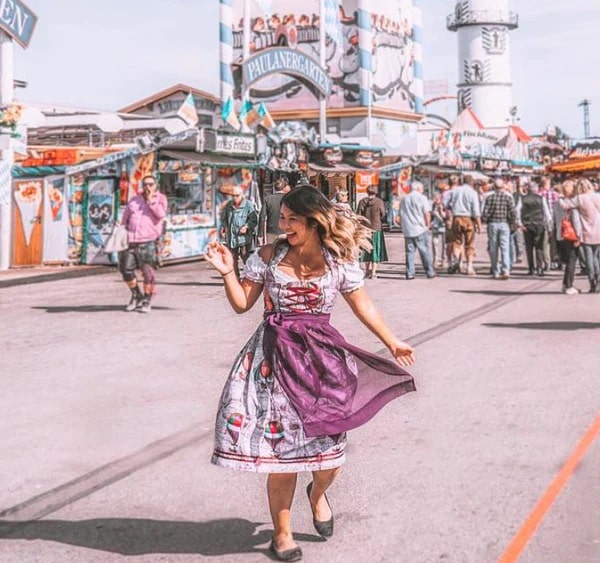
When you're not wearing your dirndl apron, I prefer to use a skirt hanger to keep it hung up in a cool, dry place. To keep the shape intact and avoid wrinkles, use either a dress form or a hanger with clips. Be sure to only wear jewelry that doesn't snag on fabric, and avoid catching the skirt of your apron on any objects, small tears can be difficult to repair. Taking proper care of your dirndl apron will ensure you're wearing it for many Oktoberfests to come.

Dirndl Apron Length
People often ask how long the apron for a dirndl should be. A good rule of thumb is that it should never be longer than the hem of the dirndl skirt or shorter than 3 inches from the hemline. There are no hard rules, but it's best to stay within a few inches of the skirt hem.
Whether you're attending an Oktoberfest event or just looking to add some flair to your wardrobe, choosing the perfect dirndl apron is essential. With so many beautiful designs out there, we're sure you'll find an apron perfect for completing your traditional ensemble.
Want to make your life a whole lot easier when it comes to dirndl upkeep? I put together a curated list of my go-to tools for keeping dirndls clean, fresh, and wrinkle-free. 👉 Click here to shop the full Dirndl Care Kit on Amazon.
Looking for more dirndl style tips & tricks? Click the link to get access to our official style guide! >> https://bit.ly/dirndlstyle
Disclosure: This post contains affiliate links, which means I may earn a small commission if you make a purchase through those links. It's like tipping your local dirndl dealer.
Comments
Anya said:
Love the article – and love the last picture of the African print dirndl!! Is this something that can be done in your shop?!?!! I’ve been in search of one for a while.